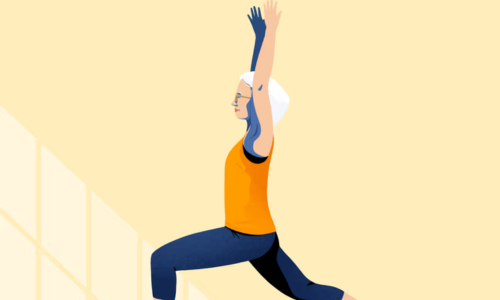
Depression is a serious mental health condition that affects mood, energy levels, motivation, sleep, and overall quality of life. While professional treatment such as therapy and medication is often necessary, many people also look for natural ways to support their mental health. One of the most helpful complementary practices is yoga.
Yoga does not replace medical treatment, but it can play an important supportive role in managing symptoms of depression by improving mood, reducing stress, and creating emotional balance.
Table of Contents
- Understanding Depression
- How Yoga Supports Mental Health
- Can Yoga Help With Depression?
- Best Yoga Practices for Emotional Well-Being
- Simple Daily Routine for Mood Support
- Conclusion
Understanding Depression
Depression is more than just feeling sad. It can affect the body, mind, and emotions in different ways:
- Persistent low mood
- Loss of interest in daily activities
- Low energy and fatigue
- Difficulty sleeping or oversleeping
- Trouble focusing
- Feelings of hopelessness
Because it affects both mental and physical health, a holistic approach is often helpful.
How Yoga Supports Mental Health
Yoga helps the mind and body work together, creating a sense of calm and stability.
| Benefit | How It Helps |
|---|---|
| Reduces Stress | Lowers cortisol levels |
| Improves Mood | Increases relaxation and positivity |
| Boosts Energy | Improves circulation and oxygen flow |
| Enhances Awareness | Helps manage negative thoughts |
| Promotes Calmness | Activates relaxation response |
Yoga encourages gentle healing through movement and breathing.
Can Yoga Help With Depression?
Yes, yoga can help support people dealing with depression, especially mild to moderate symptoms. It works by calming the nervous system, improving emotional awareness, and reducing physical tension stored in the body.
However, it is important to understand:
- Yoga is a support tool, not a replacement for therapy or medication
- Results improve with regular practice over time
- It works best when combined with a healthy lifestyle and professional support
Best Yoga Practices for Emotional Well-Being
Here are some gentle yoga poses and practices that may help improve mood:
1. Child’s Pose
y=Child’s Pose calming support for emotional balance
A grounding posture that helps calm the mind.
Benefits:
- Reduces stress
- Promotes emotional comfort
- Calms nervous system
2. Legs-Up-The-Wall Pose
A restorative pose that supports relaxation.
Benefits:
- Reduces anxiety
- Improves circulation
- Helps mental calmness
3. Cat-Cow Stretch
A gentle movement to release tension.
Benefits:
- Improves mood through movement
- Releases physical stress
- Enhances breathing
4. Seated Breathing Meditation
A simple mindfulness practice.
Benefits:
- Improves focus
- Reduces negative thinking
- Promotes inner calm
5. Supine Twist
A relaxing spinal stretch.
Benefits:
- Releases body tension
- Supports emotional balance
- Improves relaxation
Simple Daily Mood Support Routine
| Practice | Duration |
|---|---|
| Deep Breathing | 5 min |
| Child’s Pose | 3 min |
| Cat-Cow | 2 min |
| Legs-Up-The-Wall | 5 min |
| Seated Meditation | 5 min |
| Savasana | 5 min |
⏱ Total Time: 20–25 minutes
Conclusion
Yoga can be a helpful and natural support for managing depression by calming the mind, reducing stress, and improving emotional balance. While it is not a cure, it can significantly improve overall well-being when practiced regularly alongside professional care. Gentle poses like Child’s Pose, Legs-Up-The-Wall, and meditation help create a sense of peace and stability. With consistency and patience, yoga can become a valuable part of a healthier and more balanced mental health routine