Yoga is one of the easiest and most effective ways to improve your physical and mental well-being. The best part is that you don’t need an expensive gym membership or a professional studio to begin. Practicing yoga at home allows you to learn at your own pace, save money, and build a healthy daily routine. If you are new to yoga, this guide will help you get started with confidence.
Table of Contents
- Why Start Yoga at Home?
- Benefits of Home Yoga Practice
- Essential Items You Need
- Beginner-Friendly Yoga Poses
- Tips for Building a Consistent Routine
- Conclusion
Why Start Yoga at Home?
Many beginners feel nervous about joining a yoga class. Practicing at home eliminates that pressure and allows you to focus on learning the basics comfortably. You can choose your own schedule, wear comfortable clothing, and create a peaceful environment that suits your needs.
Yoga at home is also convenient for busy people who may not have time to travel to a studio. Even a 15-minute session can provide noticeable benefits for your body and mind.
Benefits of Home Yoga Practice
Starting yoga at home offers several advantages:
- Improves flexibility and balance
- Strengthens muscles and joints
- Reduces stress and anxiety
- Enhances posture
- Increases energy levels
- Supports better sleep quality
With regular practice, you may notice improvements in both your physical fitness and mental focus.
Essential Items You Need
You don’t need much equipment to begin yoga at home. Here are a few basics:
| Item | Purpose |
|---|---|
| Yoga Mat | Provides comfort and grip |
| Comfortable Clothing | Allows free movement |
| Water Bottle | Keeps you hydrated |
| Yoga Blocks (Optional) | Helps with balance and support |
| Quiet Space | Reduces distractions |
A simple setup is enough to start your yoga journey successfully.
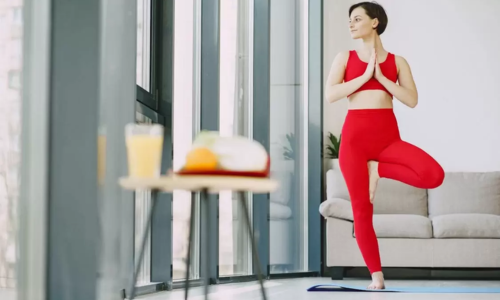
Image: A peaceful home yoga practice setup.
Beginner-Friendly Yoga Poses
Mountain Pose (Tadasana)
This pose helps improve posture and body awareness. Stand tall with your feet together and arms relaxed at your sides.
Child’s Pose (Balasana)
A relaxing pose that gently stretches the back, hips, and shoulders. It is perfect for beginners.
Downward-Facing Dog (Adho Mukha Svanasana)
This popular yoga pose stretches the entire body while strengthening the arms and legs.
Cat-Cow Stretch
This gentle movement helps improve spinal flexibility and relieves tension in the back.
Tree Pose (Vrikshasana)
A simple balancing pose that improves focus and stability.
Practice each pose slowly and focus on your breathing rather than trying to achieve perfect form immediately.
Tips for Building a Consistent Routine
Starting a new habit can be challenging, but consistency is key to success in yoga.
Start Small
Begin with 10–15 minutes per day instead of long sessions. Short practices are easier to maintain.
Create a Dedicated Space
Choose a quiet area in your home where you can practice without interruptions.
Focus on Breathing
Deep and controlled breathing is an important part of yoga. It helps calm the mind and improve concentration.
Be Patient
Flexibility and strength develop gradually.
Practice Regularly
Consistent practice delivers better results than occasional long workouts.
Conclusion
Starting yoga at home is a simple and affordable way to improve your health and well-being. With a yoga mat, a quiet space, and a few beginner-friendly poses, anyone can begin their yoga journey.. Over time, you will build strength, flexibility, balance, and a greater sense of inner peace right from the comfort of your home.