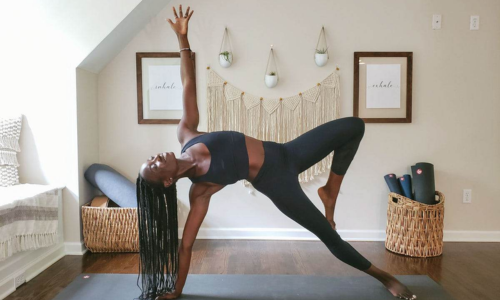
Building a consistent home yoga routine is one of the most powerful ways to improve your health, reduce stress, and stay physically active. Many people start yoga with enthusiasm but struggle to continue regularly. The key is not intensity—it is consistency.
A simple, realistic routine practiced every day can create long-term physical and mental transformation.
Table of Contents
- Why Consistency Matters in Yoga
- Common Reasons People Quit Yoga
- How to Build a Home Yoga Routine
- Sample Daily Yoga Schedule
- Tips to Stay Consistent
- Conclusion
Why Consistency Matters in Yoga
Yoga works best when practiced regularly. Even 10–20 minutes daily is more effective than a long session once a week.
Consistency helps:
- Improve flexibility over time
- Reduce stress and anxiety
- Build strength gradually
- Develop discipline
- Create long-term health benefits
Small daily effort leads to big results.
Common Reasons People Quit Yoga
Many people stop practicing yoga due to:
- Lack of time
- No clear routine
- Unrealistic expectations
- Loss of motivation
- Busy lifestyle
- No visible quick results
Understanding these challenges helps you avoid them.
How to Build a Home Yoga Routine
Creating a routine is simple if you follow a structured approach:
- Start with short sessions (10–15 minutes)
- Choose a fixed time (morning or evening)
- Keep your yoga space ready
- Follow a simple sequence of poses
- Gradually increase duration over time
The goal is to make yoga a habit, not a task.
Sample Daily Yoga Schedule
Here is a simple beginner-friendly home routine:
1. Deep Breathing (5 minutes)
y=Deep breathing practice for daily relaxation and focus
Start your practice by calming your mind.
Benefits:
- Reduces stress
- Improves focus
- Prepares body for yoga
2. Warm-Up (3–5 minutes)
Includes:
- Neck rolls
- Shoulder stretches
- Gentle side bends
Benefits:
- Loosens muscles
- Prevents injury
- Improves flexibility
3. Basic Yoga Flow (7–10 minutes)
- Cat-Cow Stretch
- Downward-Facing Dog
- Forward Bend
- Child’s Pose
Benefits:
- Improves mobility
- Boosts energy
- Reduces stiffness
4. Relaxation (5 minutes)
- Savasana or lying rest
Benefits:
- Deep relaxation
- Mental reset
- Emotional balance
Tips to Stay Consistent
- Practice at the same time daily
- Start small and stay realistic
- Don’t skip after missing a day
- Keep your yoga mat visible
- Track your progress
- Focus on how you feel, not perfection
Consistency builds habit faster than motivation.
Conclusion
Building a consistent home yoga routine is simple when you start small and stay committed. You don’t need long sessions or advanced poses—just a regular practice that fits your lifestyle. Over time, yoga becomes a natural part of your daily routine, improving your flexibility, reducing stress, and boosting your overall well-being.