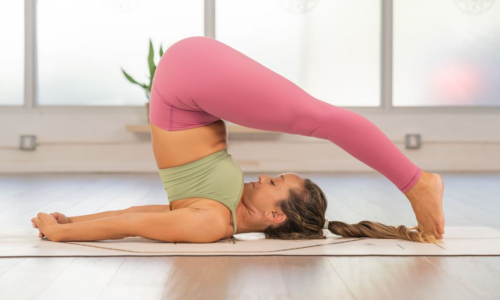
Ashtanga Yoga is a traditional and structured style of yoga that follows a specific sequence of postures combined with breath control and movement. It is more disciplined and physically demanding compared to other yoga styles, making it popular among those who enjoy routine, structure, and a strong physical practice.
Even though it is intense, beginners can still practice Ashtanga Yoga by starting slowly and learning the basics step by step.
Table of Contents
- What Is Ashtanga Yoga?
- How Ashtanga Yoga Works
- The Structure of Ashtanga Yoga
- Benefits of Ashtanga Yoga
- Beginner-Friendly Ashtanga Poses
- Tips for Beginners
- Conclusion
What Is Ashtanga Yoga?
Ashtanga Yoga is a traditional form of yoga that follows a fixed sequence of poses performed in a specific order. It combines breath, movement, and focus to create a powerful and disciplined practice.
The word “Ashtanga” means “eight limbs,” referring to the eight principles of yoga described in ancient texts.
How Ashtanga Yoga Works
Ashtanga Yoga is based on a flowing system where each movement is connected with breathing.
- Each pose is linked with inhale or exhale
- Movements follow a strict sequence
- Practice is repetitive and structured
- Focus is on discipline and consistency
y=Ashtanga Yoga fixed sequence flow with breath synchronization
This structure helps build strength, endurance, and mental focus.
The Structure of Ashtanga Yoga
Ashtanga Yoga is divided into different series:
- Primary Series: Focuses on detoxifying and aligning the body
- Intermediate Series: Builds flexibility and strength
- Advanced Series: Requires high physical control and discipline
Beginners should always start with the Primary Series.
Benefits of Ashtanga Yoga
| Benefit | How It Helps |
|---|---|
| Builds Strength | Engages full body muscles |
| Improves Flexibility | Deep stretching over time |
| Increases Discipline | Fixed routine builds consistency |
| Boosts Focus | Requires mental concentration |
| Enhances Stamina | Continuous flow improves endurance |
Ashtanga Yoga is both physically and mentally challenging.
Beginner-Friendly Ashtanga Poses
Here are some basic poses for beginners:
- Sun Salutation A and B
- Forward Bend (Uttanasana)
- Plank Pose
- Chaturanga Dandasana
- Upward-Facing Dog
- Downward-Facing Dog
These poses form the foundation of Ashtanga practice.
Tips for Beginners
- Start slowly and don’t rush into advanced poses
- Focus on breathing rather than speed
- Learn proper alignment first
- Practice consistently, even for short sessions
- Rest when needed—don’t force the body
- Consider learning from a certified instructor
Consistency is more important than intensity.
Conclusion
Ashtanga Yoga is a structured and powerful yoga style that builds strength, flexibility, discipline, and focus. While it may seem challenging at first, beginners can easily start with basic poses and short routines.