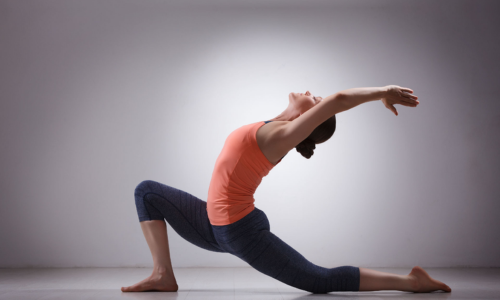
Vinyasa Yoga is a dynamic and flowing style of yoga where movement is synchronized with breath. Unlike slower yoga styles, Vinyasa focuses on smooth transitions between poses, creating a continuous flow of movement. This makes it both energizing and meditative at the same time.
It is often called “flow yoga” because each pose flows into the next like a sequence.
Table of Contents
- What Is Vinyasa Yoga?
- How Vinyasa Yoga Works
- Physical Benefits of Vinyasa Yoga
- Mental and Emotional Benefits
- Best Vinyasa Yoga Poses
- Who Should Practice Vinyasa Yoga
- Conclusion
What Is Vinyasa Yoga?
Vinyasa Yoga is a modern yoga style that connects movement with breathing in a continuous flow. Each movement is guided by an inhale or exhale, making the practice smooth and rhythmic.
It is more active compared to traditional yoga styles and often feels like a full-body workout combined with mindfulness.
How Vinyasa Yoga Works
In Vinyasa Yoga:
- Every movement is linked with breath
- Poses flow one after another
- No long pauses between poses
- The pace can be slow, moderate, or fast
y=Vinyasa Yoga flow sequence connecting breath and movement
This flow creates a balance between strength, flexibility, and focus.
Physical Benefits of Vinyasa Yoga
Vinyasa Yoga offers many physical health benefits:
| Benefit | How It Helps |
|---|---|
| Builds Strength | Activates multiple muscle groups |
| Improves Flexibility | Stretches body through movement |
| Burns Calories | Active flow increases energy use |
| Enhances Balance | Improves body control |
| Boosts Endurance | Continuous movement builds stamina |
It is a great full-body workout.
Mental and Emotional Benefits
Vinyasa Yoga is not just physical—it also improves mental well-being.
- Reduces stress through rhythmic breathing
- Improves focus and concentration
- Helps release emotional tension
- Promotes mindfulness and awareness
- Enhances mood and mental clarity
The combination of movement and breath creates a calming effect on the mind.
Best Vinyasa Yoga Poses
Some common poses used in Vinyasa flow include:
- Mountain Pose
- Forward Bend
- Plank Pose
- Chaturanga
- Upward-Facing Dog
- Downward-Facing Dog
These poses are linked together in smooth transitions.
Who Should Practice Vinyasa Yoga
Vinyasa Yoga is suitable for:
- Beginners with basic fitness
- Intermediate practitioners
- People looking for weight loss
- Those who enjoy active workouts
- Anyone wanting both fitness and mindfulness
However, beginners should start slowly before moving to faster flows.
Conclusion
Vinyasa Yoga is a powerful and dynamic style that combines movement, breath, and flow. It improves strength, flexibility, endurance, and mental focus while also helping reduce stress.
Because of its active nature, it is ideal for people who want a workout-like yoga experience that still offers deep relaxation and mindfulness. With regular practice, Vinyasa Yoga can greatly improve both physical fitness and emotional well-being.