Emotional balance means being able to manage your feelings in a healthy way, without getting overwhelmed by stress, anger, sadness, or anxiety. In modern life, emotional ups and downs are common due to pressure, relationships, work stress, and constant digital distractions.
Yoga is a powerful practice that helps stabilize emotions by calming the nervous system, improving self-awareness, and creating inner peace. With regular practice, yoga can help you respond to situations more calmly instead of reacting emotionally.
Table of Contents
- What Is Emotional Balance?
- Why Emotions Become Unstable
- How Yoga Supports Emotional Balance
- Best Yoga Practices for Emotional Stability
- Simple Daily Routine
- Conclusion
What Is Emotional Balance?
Emotional balance is the ability to:
- Stay calm under pressure
- Handle stress without overreacting
- Maintain a positive mindset
- Recover quickly from emotional triggers
It does not mean avoiding emotions—it means understanding and managing them better.
Why Emotions Become Unstable
Emotional imbalance can happen due to several reasons:
- High stress levels
- Poor sleep
- Overthinking and anxiety
- Lack of physical activity
- Emotional trauma or pressure
- Unhealthy lifestyle habits
When the mind is overloaded, emotional control becomes difficult.
How Yoga Supports Emotional Balance
Yoga helps regulate emotions by connecting the body, breath, and mind.
| Method | How It Helps |
|---|---|
| Breathing Exercises | Calms nervous system instantly |
| Physical Movement | Releases stored emotional tension |
| Mindfulness | Increases self-awareness |
| Relaxation | Reduces stress hormones |
| Meditation | Stabilizes thoughts and feelings |
Yoga creates space between emotion and reaction, allowing better control.
Best Yoga Practices for Emotional Stability
Here are some of the most effective yoga poses and techniques for emotional balance.
1. Child’s Pose
y=Child’s Pose emotional grounding posture
A calming pose that provides emotional comfort.
Benefits:
- Reduces anxiety
- Calms emotional stress
- Promotes safety and relaxation
2. Alternate Nostril Breathing
A balancing breathing technique for emotional control.
Benefits:
- Stabilizes mood
- Reduces anger and stress
- Improves mental clarity
3. Cat-Cow Stretch
A gentle flow that connects breath and emotion.
Benefits:
- Releases tension
- Improves emotional flow
- Calms the mind
4. Forward Bend
A soothing pose that quiets the mind.
Benefits:
- Reduces emotional overload
- Calms nervous system
- Promotes inner peace
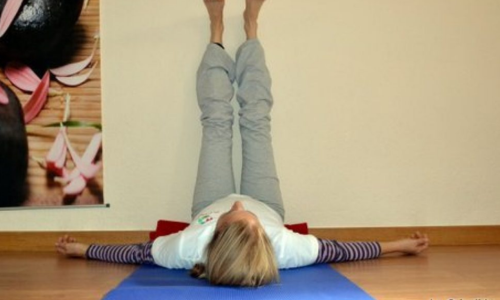
5. Legs-Up-The-Wall Pose
A restorative posture for deep relaxation.
Benefits:
- Reduces stress
- Balances emotions
- Improves relaxation response
6. Savasana (Corpse Pose)
A deep relaxation pose for emotional reset.
Benefits:
- Releases emotional tension
- Promotes mental calmness
- Restores balance
Simple Daily Emotional Balance Routine
| Practice | Duration |
|---|---|
| Deep Breathing | 5 min |
| Child’s Pose | 3 min |
| Cat-Cow | 2 min |
| Forward Bend | 3 min |
| Legs-Up-The-Wall | 5 min |
| Savasana | 5 min |
⏱ Total Time: 20–25 minutes